Recent online boycotts of artists have sparked renewed debate about artistic responsibility and the ethics of consuming art, which prompts the question of whether we can truly appreciate art without endorsing its creator.
The idea of “separating the art from the artist” was first introduced by Roland Barthes in 1976 in his essay, Death of the Author, emphasizing that criticism should focus on literary work rather than the creator’s personal life. This concept can be considered across various art forms, such as painting, film, and music. Still, it is not universally accepted, as art is shaped by the creator’s lived experiences and intentions, making complete separation challenging. Some argue that seriously harmful actions make it impossible to view an artist in the same light, leading them to disengage entirely from the artist’s work. According to a Yahoo News Survey of 1,560 adults, 47% said they would stop consuming an artist’s work because of the artist’s personal conduct. 67% of respondents said that they would evaluate it on a case-by-case basis if they had to choose how to deal with the dilemma. These statistics show how divided opinions are on this issue. This indicates that the decision of separation must be considered alongside many factors such as what makes art good, our biases, and social change in the current digital age. It’s a good idea to consider what makes art meaningful and whether separation is possible before getting deeper into the argument.
To explore artistic preferences further, we can question what makes art “good,” beyond its composition. Art is often known as the abstract expression of emotions shaped by experience, which can be a powerful way to communicate ideas. Some argue that good art reflects the artist’s ethics or lived experiences, while others believe it depends solely on talent, underscoring the subjective nature of artistic value. Artistic preferences are unique, so it is difficult to define good art, as there is no right or wrong answer.
Our attachment to specific works of art can often come from our own levels of empathy. For example, in Van Gogh’s self-portrait with a bandaged ear, viewers are compelled to understand the circumstances behind the injury. As humans, we want to relate to and understand art through the artist, demonstrating the significance of emotion and the need for connectedness. Every time a piece of art makes us wonder or feel strange, we are confronted with our own biases, therefore, the separation between art and the artist can be difficult. Recognizing instances where your admiration for an artist has led you to ignore their flaws or actions can help you prioritize balancing appreciation with open criticism.
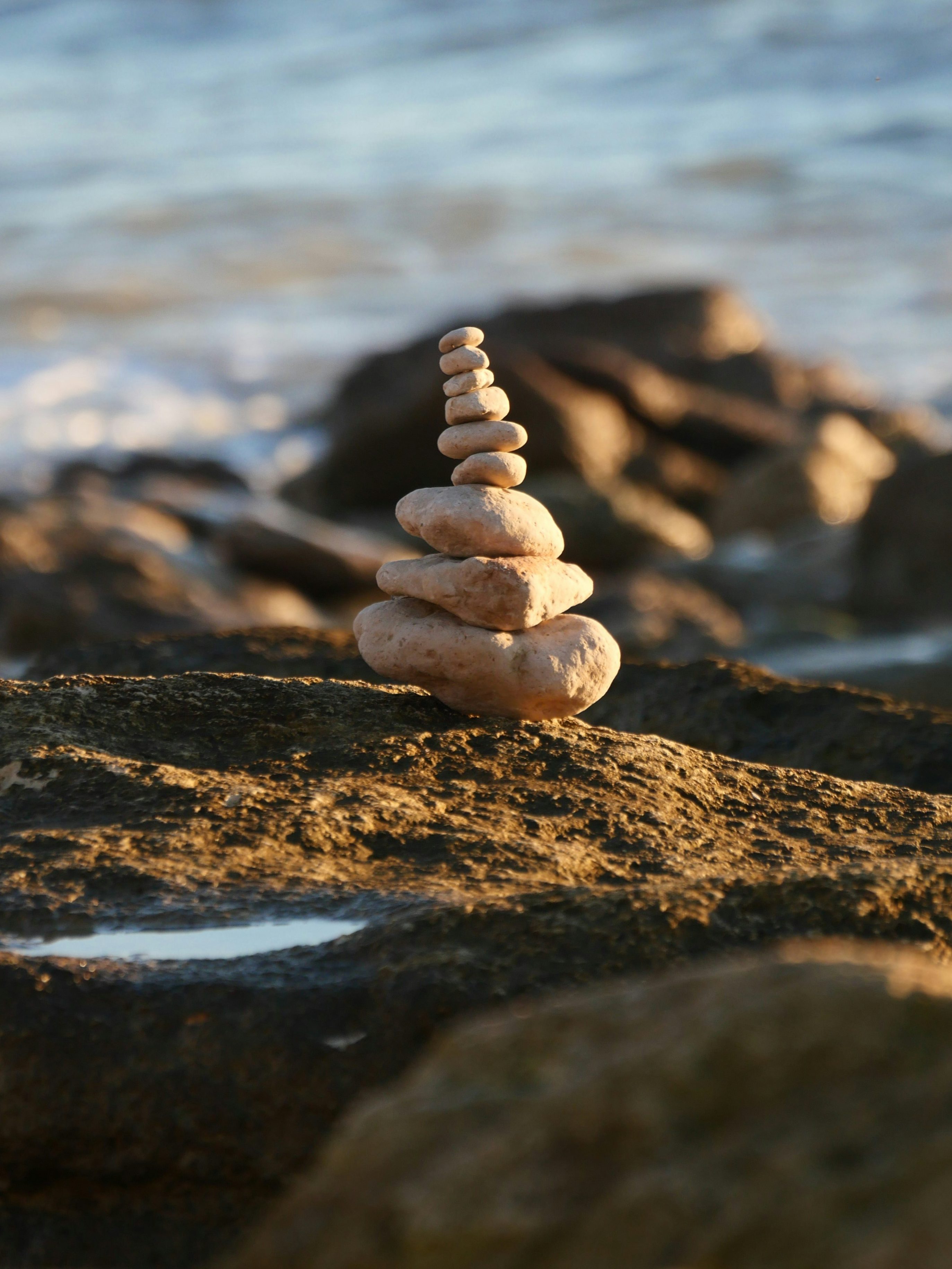
When thinking about balance, Aristotle’s idea of the Golden Mean comes to mind. According to the Stanford Encyclopedia of Philosophy, it is the concept that encourages thoughtful emotional decisions that avoid extremes, thereby leading to a more virtuous life. Interestingly, fine artists have used the Golden Mean, although in a mathematical way, to create harmonious proportions that resonate with viewers. This can be seen in famous compositions such as Hokusai’s Great Wave and Leonardo da Vinci’s Mona Lisa. This pursuit of balance historically shows us that, as viewers, we can also approach art with those same principles, with an open mind to thoughtfully critique.
Considering how art guides our perceptions and emotions, Button and Armstrong argue in the book Art as Therapy, “… the task for artists, therefore, is to find new ways of prying open our eyes to tiresomely familiar, but critically important, ideas about how to lead a balanced and good life.” According to their logic, viewers are drawn to thought-provoking forms of art to help us fill gaps in our lives, leading to a more harmonious state as Aristotle described. Additionally, the book Art as Therapy emphasizes growth as one of the core Psychological Functions of Art. Button explains, “an important first step in overcoming defensiveness around art is to become more open about the strangeness that we feel in certain contexts.” In this statement, Button suggests that the discomfort we sometimes feel can invite us to explore unfamiliar emotions and perspectives which can reveal our own unexamined beliefs. This perspective can explain why people often form personal connections with artworks as we can turn to art for understanding and self-improvement. However, these same emotional bonds can make it difficult to detach art from its creator’s moral flaws. Overall, Button and Armstrong’s research remains relevant today, especially in understanding behavioral complexities involved in continuing to support artists we empathize with, even when their actions are problematic.
Adding to the idea that art can foster personal growth and self-reflection, it is important to recognize that people are constantly changing, in character and belief. This dynamic perspective is reflected in the work of French American essayist Anais Nin. In Nin’s diary, she expressed feeling discomfort about being critiqued in the media. She vulnerably wrote in a letter, “I see myself and my life each day differently … I am all the women in the novels, yet still another not in the novels … I change every day, change my patterns, my concepts, my interpretations. I am in a series of moods and sensations … My real self is unknown.” While art that an individual creates may remain unchanged as a product, the artists themselves continue to evolve, shaped by new experiences and shifting beliefs. This piece is relevant because if we can relate to being ever-changing, how do we hold our favorite artists accountable when they commit unjust actions or crimes?
It is common to expect individuals we admire to follow the law and show basic respect towards others. When we are disappointed by their actions, it is crucial to reflect on the expectations we held for the artist in the first place. There are several factors to consider when deciding whether to continue supporting an artist, including the severity of their actions, their response, and our own ethical values given the current landscape.
In today’s digital age, when information is constantly updated and readily available, it sometimes feels overwhelming to stay up to date on social media. With artists regularly interacting with fans online, whether in comments, polls, or streams, audiences can now actively participate in the creation process, making the separation even more difficult. This dynamic interaction contrasts greatly with Barthes’ concept of separation of art and the artist, as modern audiences bring their own interpretations and reshape art as they consume it. Art today has become both a source of appreciation and entertainment, shaping how people engage with creative work.
Moreover, short-form content allows users to consume enormous amounts of media, such as music videos, with comment sections often revealing audience reactions. If negative, these reactions can reflect “cancellation,” a Gen Z coined term for publicly calling out and boycotting artists who have done problematic things. While cancel culture can raise awareness about issues, it also raises questions about freedom of expression and whether immediate harsh callouts effectively drive constructive social change. Some artists experience a significant drop in support following a cancellation, even after an apology, with severe backlash potentially causing long-term consequences for their career. Even though there will always be extremes in how audiences respond, there must be more productive ways to foster safe dialogue online.
Neil Postman states in the book Amusing Ourselves to Death, “Writing freezes speech and in so doing gives birth to the grammarian, the logician, the rhetorician, the historian, the scientist all those who must hold language before them so that they can see what it means, where it errs, and where it is leading.” In this sense, creative work should always allow critique and diverse perspectives, as it can create deeper meanings to contribute to a more thoughtful, inclusive society. Postman’s insight extends to the digital age, where fast-scrolling images and videos demand a similar level of reflection.
Ultimately, there may never be a universal rule on whether we should separate art from the artist because it depends heavily on the subjective application of one’s personal values and the current landscape. However, whether through conscious engagement or passive observation, our interaction with problematic artists always carries meaning, shaped by context and consequences. Rather than adopting extreme positions of total forgiveness or cancel culture, it is more responsible to assess each case and consider how continued support empowers the artist, and if the work can be engaged critically without fueling further harm. Today, with creators critiqued in an endless stream of posts, we should approach art with ethical awareness, balancing engagement with mindfulness. Perhaps what we choose to consume reveals more about our own values than those of the creator.
 The Husky Herald