
Walking through campus, one might notice all the various foliage already beginning to bloom. This isn’t a quirky coincidence; the internal clocks of plants are shifting, and global warming is the one to blame. The impacts of warmer winters and earlier springs are steadily growing, and it affects many ecosystems. These conditions can be noticed anywhere from trails and window-front plants to our very own community garden on campus.
Flowers and trees are blooming earlier due to the milder winters and warmer spring temperatures. Across the country and the entire world, temperatures are rising. That might sound nice with longer summers and less rain, however, it also comes with a cost of having less produce. If plants start to bloom early, it affects the entire ecosystem; animals, insects, pollinators, and yes, humanity. For example, species that depend on plants for nectar, fruits, or seeds might be affected if flowers bloom ahead of schedule. This could result in smaller harvests and higher prices for fruits like apples and pears.
To get more insight on this matter, I interviewed, Pip McKay the University of Washington, Bothell’s Gardener Hardscape Lead and Farm Manager. McKay has been working here at UWB for two years on the farm, coming in May. McKay has noticed a shift in the plants blooming, “I do think that the Daffodils and a couple shrubs that are usually flowering closer to March are a little early this year. But one thing I noticed is that I was surprised that certain flowers, like some roses for example, were still blooming in winter. It has just been so mild and relatively warm in general this year.”
I personally garden and have noticed some unusual trends this year, following very closely to McKay’s observations. I grow lavender, peonies, gladiolas, variations of roses, dahlia, strawberries, spinach, and other herbs. One alarming thing I noticed is my gladiolas already beginning to sprout, and roses are beginning to bloom. Now, as McKay mentioned, some of the flowers are blooming a month early, but for the gladiolas which typically sprout mid-April to early May and bloom in July have begun to sprout in January. Roses, which typically bloom in late spring, and early autumn, are now blooming in the winter. This is because their internal clocks are confused.
Here at UWB and all gardens, it is important to keep an eye on all plants. For McKay, he mentions, “The fruit trees are still in dormancy. The perennial vegetables are still on their timeline and will get more active in spring. Same with the herbs.” He predicts potential for changes in growing plans as well, “If it stays warm into March we might get to plant carrots a little early. But we still need to keep an eye on frosts. We live in an area where our weather can be difficult to predict and microclimates are abundant.”
Frosts are important to navigate agriculture. This can potentially cause damage to early bloomers if plants bloom before the frost comes. While frosts can damage plants that sprout too early, they are very necessary for many plants’ life cycles. Frosts typically occur during the coldest nights of late winter and early spring, often when temperatures drop below 32°F (0°C), according to Montana State University. During this chilling period, it ensures that plants don’t bloom too early, so it keeps the entire ecosystem on track.
While it may seem like a simple shift in bloom cycles, it will carry a serious shift in our grocery habits as well. While global warming harms plants’ internal clocks, consumers will also face some damage to their wallets. In a Standford article, Climate change cuts global crop yields, even when farmers adapt, Hsiang states, “‘When global production falls, consumers are hurt because prices go up and it gets harder to access food and feed our families.’”
When harvest shrinks due to the various effects of global warming, the demand is still steady. Our most valuable known crops here in Washington state; apples, cherries and pears are significantly at risk when it comes to having late frosts and early blooms. With steady demand, prices will rise due to unpredictable food production. We have currently seen a rise in coffee due to climate outcomes with the fewer availability of cocoa beans, according to an article produced by NPR: Coffee prices are higher than ever. This shows how the ripple effects of harvests can take years to fix. Climate change not only affects ecosystems and food systems but also the economy.
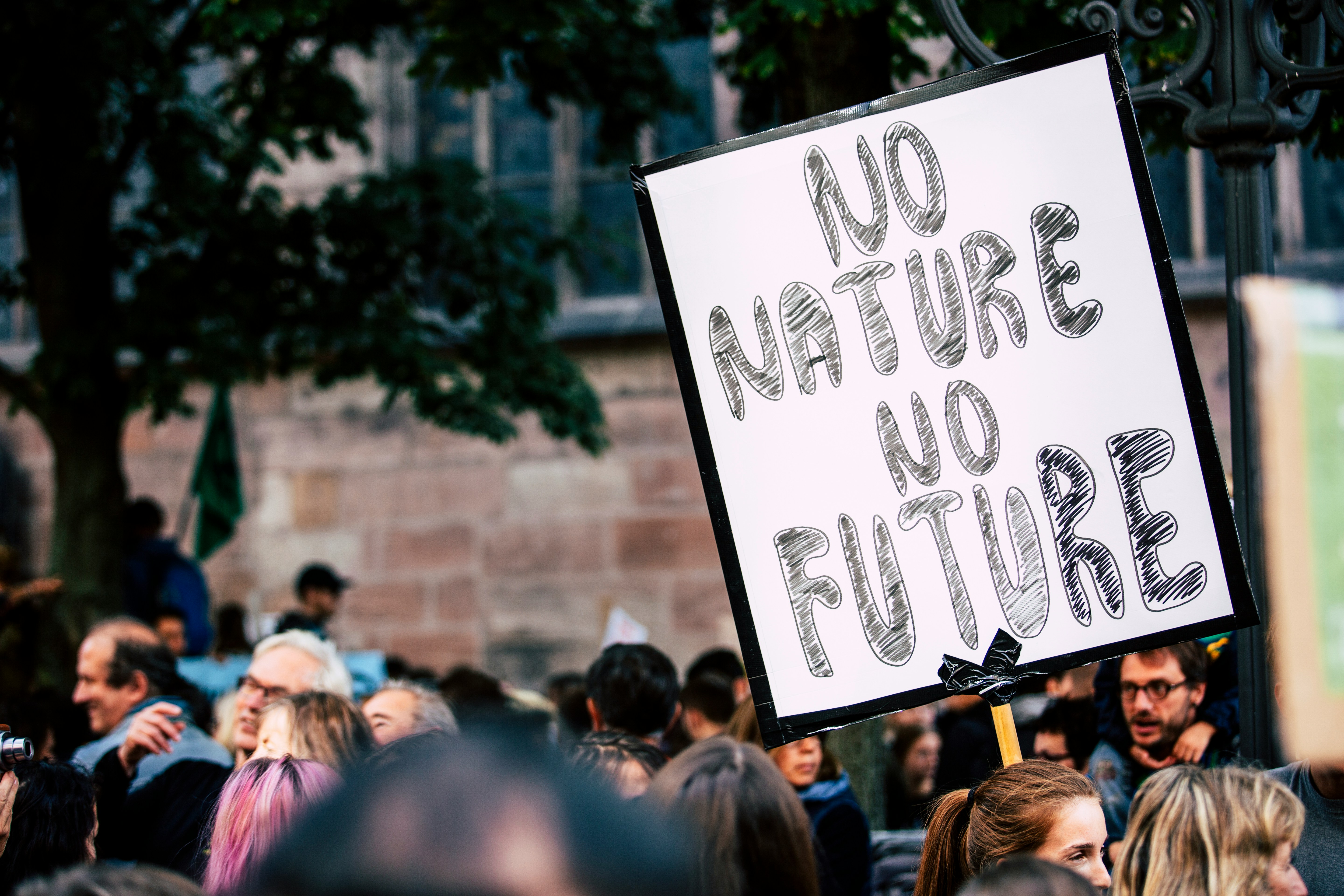
If you are interested in getting involved at UWB, there are numerous classes you can take if you are interested in agriculture. Mckay would also like to inform everyone that there are various ways to get involved here on campus through volunteering, fruit picking, and getting access to portions of the garden beds for gardening. He mentions how they host multiple volunteer events throughout the year at the campus farm and food forest to encourage student engagement. There are other ways to take charge of fighting against global warming by changing everyday habits such as using your own reusable cups, bringing your own reusable bag instead of using plastic, minimize your own waste, recycling or even buying used clothes. Let’s all do our part to fight climate change.








Leave a Reply