
Since the generative AI boom in 2022, AI technology has become mainstream and widely embraced by most people, including students. Washington is no exception with Seattle as one of the biggest technology hubs in the nation. As AI capabilities grow, the evergreen state continues to adapt and take lead as a tech hotspot. However, a deeper dive into the relationship between AI data centers and energy use in Washington paints a more complicated picture.
Currently Washington is the tenth state with the greatest numbers of data centers in the country, with over 120 data centers and Microsoft being the biggest investor. As the AI industry continues to grow, more data centers are projected to be built. This will have major implications for energy usage demand, economic growth, utility bills, and more. Now, the Washington State government is attempting to balance growth and strict clean energy goals by curbing continuous AI data center construction.
Located in Eastern WA, Quincy is the main hotspot for data centers. The construction of data centers 20 years ago led the small rural town of farmers to make major economic gains with more job opportunities and increased tax revenue which lifted many residents out of poverty and created new city infrastructure.
While Quincy is one example of how residents are economically benefitting from clean low-cost energy data centers in their city, concerns for residents still exist. In the US, electricity costs over 200% more in areas near data centers than it did five years ago. Blackouts and air pollution pose risks to residents as well. Concerns rise with ongoing construction; many people are fearful about the high energy demand and long-term economic benefits. Long-term job opportunities for citizens are limited. While construction creates a lot more short-term job openings, once they are built, even large-scale centers only hire up to 100 technicians to maintain a data center.
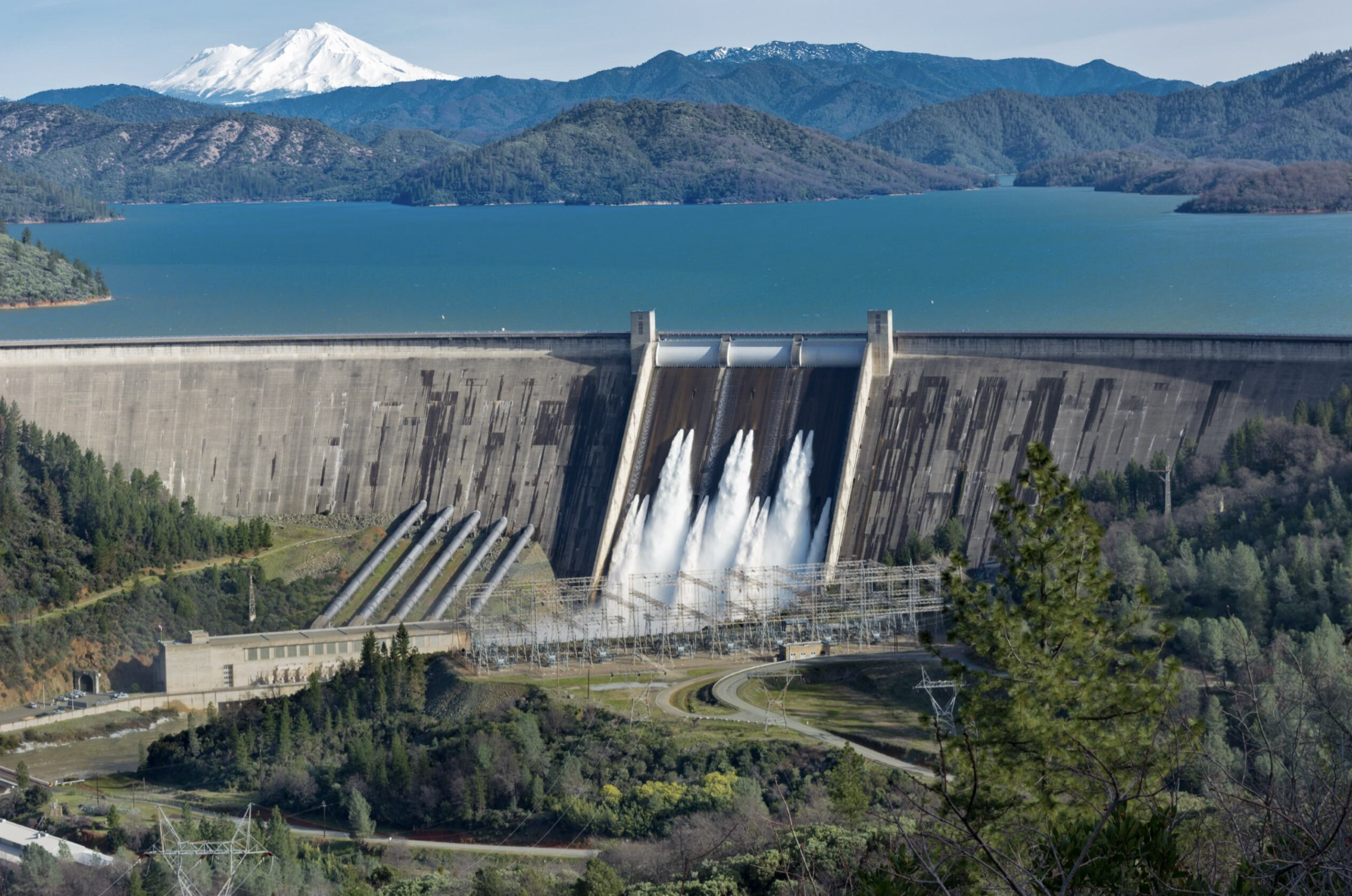
In WA, driving forces for the data center boom also include the abundance of hydropower: cheap renewable energy generated through the Columbia River. However, it is not an infinite green source. Dams limit salmon habitat. Climate change reduces snowpack. The Columbia River, a snow dominated watershed, now projects 30-50 percent less flow during summer, generating less hydropower in upcoming years. Both Oregon and Washington generated 20% less hydropower in 2023 than in 2021. Other renewable energy sources are being explored in WA to comply with strict state clean energy standards with goals of switching to fully clean energy by 2045. These goals are threatened by increased data centers’ energy use, while hydropower production continues to decrease.
In an article with GeekWire, Zach Baker, the regional and state policy director for NW Energy Coalition, states that data centers growth has the potential to more than double power demand by 2030. Washington has amongst the cheapest electricity in the nation; however, those prices are rising fast with demand, with AI data centers only adding costs.
Washington state is attempting to push back against the construction of new data centers with regulations. House Bill 2515 recently passed the House of Representatives in Feb. 2026 and has yet to pass Senate as of March 8. This bill would establish new regulations for high energy data centers. One major change is requiring annual sustainability reports for transparency on energy and water use. It would also require them to cover additional utility costs for ratepayers to ensure other utility payers aren’t burdened by costs as energy demand increases. It is controversial, with republicans like Representative Mary Dye arguing it unfairly targets data centers, making WA less competitive in the tech market. Microsoft Corporation has also urged changes to the bill. According to The Seattle Times, big Tech companies are lobbying behind the scenes to fight the regulatory bill and weaken it.
At UW Bothell, many students and faculty are embracing AI, whether it is through classes, workshops, programs, speaker panels and clubs. There are various opportunities provided for students to learn how to use AI technology. Recently, Microsoft announced a partnership with UW, donating millions of dollars to increase AI education. In the future, we will continue to see more research and learning in AI technology driven by corporate philanthropy. As students adapt to learning new technologies at UW Bothell, they must not neglect to learn how to navigate the costs mindfully. While we see continuous increases and acceptance of new technology, there still remains a huge gap in regulating it.
Currently there is a lack of education and management with the costs of AI technology in Washington state, with tech corporations fighting hard to keep it that way. As students, it is important to remember: embracing technology without regulation can have grave consequences and our campus is no exception. Students can voice their opinions on curriculum through course evaluation forms or contacting advisors within their school.







Leave a Reply