


It takes just one swipe to come across a new TikTok trend, funny Instagram reel, and niche YouTube short.. Just one more video, well maybe another one, and really, what’s one more? And then… Oh no, you’ve just spent the entire evening mindlessly scrolling instead of completing your homework assignment due at midnight. Has this ever happened to you? Don’t worry, you’re not alone.
Even though people of all ages use social media, college students have been using it the most compared to any other generation. According to the Pew Research Center, roughly “98 percent of current college and university students use some form of social media daily.” Most current college and university students also spend an “average of 4.5 hours a day on popular social media platforms like YouTube, TikTok, Snapchat, Instagram, and Facebook.”
College students use social media for recreational reasons such as connecting with friends and consuming relaxing content. Students also use social media for networking, finding professional opportunities, and learning about world news. Large amounts of time spent on social media becomes unhealthy for many people. Campus Nation reveals how social media addiction affects “57% of college students, impacting their daily routines and study habits. Many prefer scrolling through social networking apps over doing homework, with 66% admitting to academic procrastination.” Moreover, the endless notifications, rapid task switching, and digital overload strain are affecting people’s ability to comprehend material, concentrate, and retain information, according to Ridge, a social media addiction treatment center for young people.
These effects occur because short-form content captures people’s attention with minimal physiological effort. The National Library of Medicine describes how the prolonged consumption of short form content may primarily engage the “lower-order cortical brain regions, such as those associated with emotional processing, and suppress activity in higher-order areas responsible for self-control and attention.” This pattern could heighten the susceptibility to short video addiction, with a decline in self-control. This is particularly concerning, as the ability to focus and get work done is vital for college students. Getting increasingly distracted could also lead to a decline in grades.
According to the National Library of Medicine, higher usage of social media is associated with elevated levels of social anxiety due to the fear of missing out.
Excess social media usage symptoms are described by a newly coined term: “brain rot.” The National Library of Medicine describes brain rot as “a cognitive decline and mental exhaustion experienced by individuals, particularly adolescents and young adults, due to excessive exposure to low-quality online materials, especially on social media.”
Even though it is fun to learn new chronically online words or memes, brain rot holds ramifications in terms of one’s mental health, emotional well-being, and conception of self. Unintentional scrolling and social media addiction lead to a decline in executive functioning skills, such as memory, planning, and decision-making, all of which have detrimental effects on people’s daily lives. There are many ways to combat social media addiction. The main idea is to remain present in the moment and make life off the screen feel as fulfilling as being online. Staying physically active, reading, limiting multitasking, going outdoors, and keeping up with loved ones are just some ways to break toxic cycles.
The Forest app is another great tool that can help with robotically scrolling through social media. In the app, users select a tree that only grows if they stay on the tab. If users leave the app, Forest urgently reminds them to focus again unless they want their tree to die. Users can also select time increments on the app, such as working for thirty minutes before being on their phone for five minutes. A more extreme solution is the Off the Grid app, which prevents users from going on their phones at all by locking them for a set period of time.
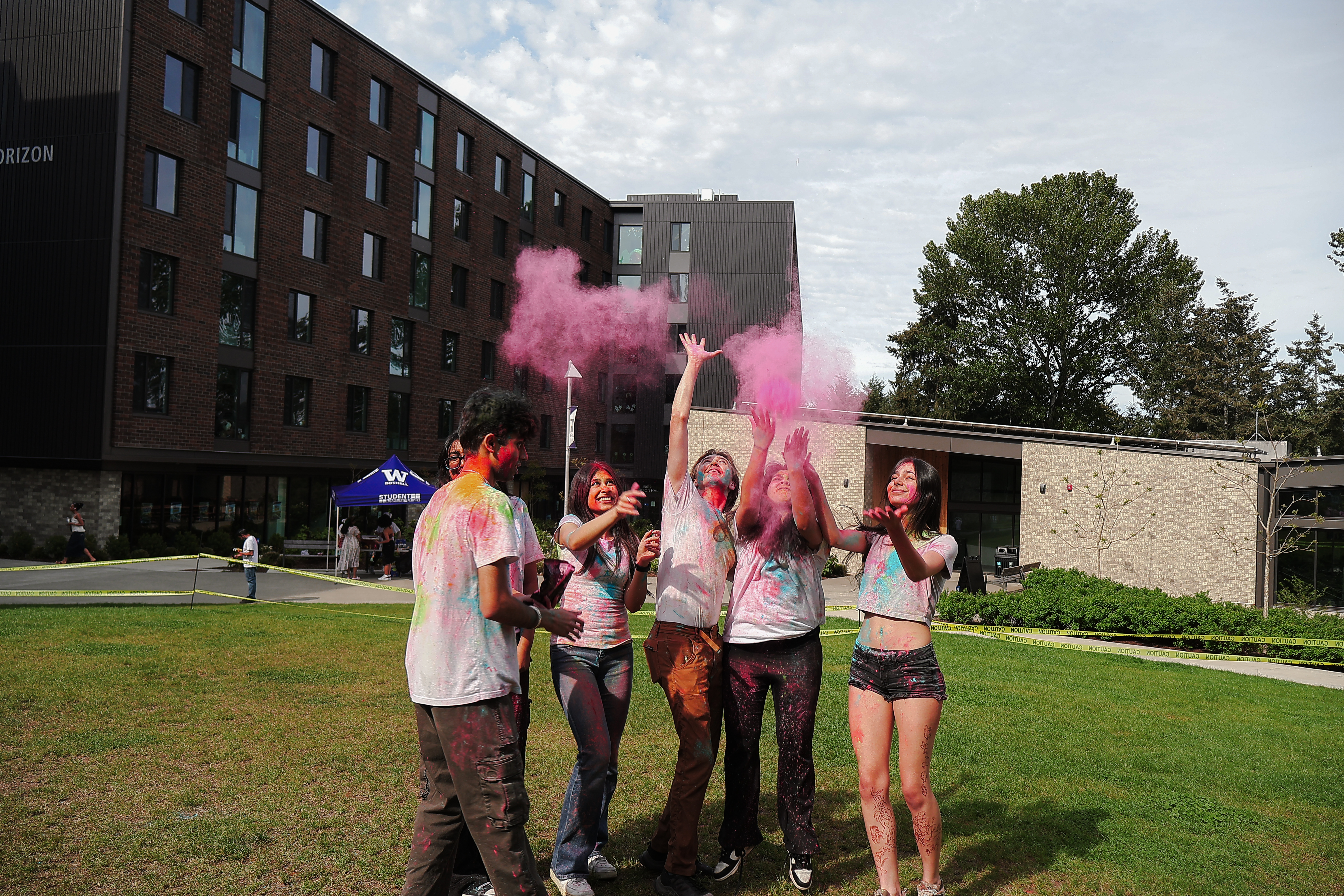
Engaging with UW Bothell’s student organizations and clubs is also an excellent way to fight social media addiction. From academic, cultural, to special interest clubs, UWB has a community suited for everyone’s interests and backgrounds. Depending on the activity, participating in club events could help promote in-person social interaction and encourage students to engage with hobbies like reading or going outdoors.
Ultimately, social media addiction and the resulting effects on the brain are concerning issues for college students. For the sake of students’ health, it is important to be more mindful when it comes to screentime and develop hobbies that encourage off-screen activities. Participating in off-screen activities, whether it be learning a new skill, joining a club, or engaging with friends, will ensure that life outside of the phone is valuable and rewarding. The constant loop of watching TikToks and then switching the tab over to Instagram reels instead of doing something productive can finally come to an end with better habits.












Leave a Reply