
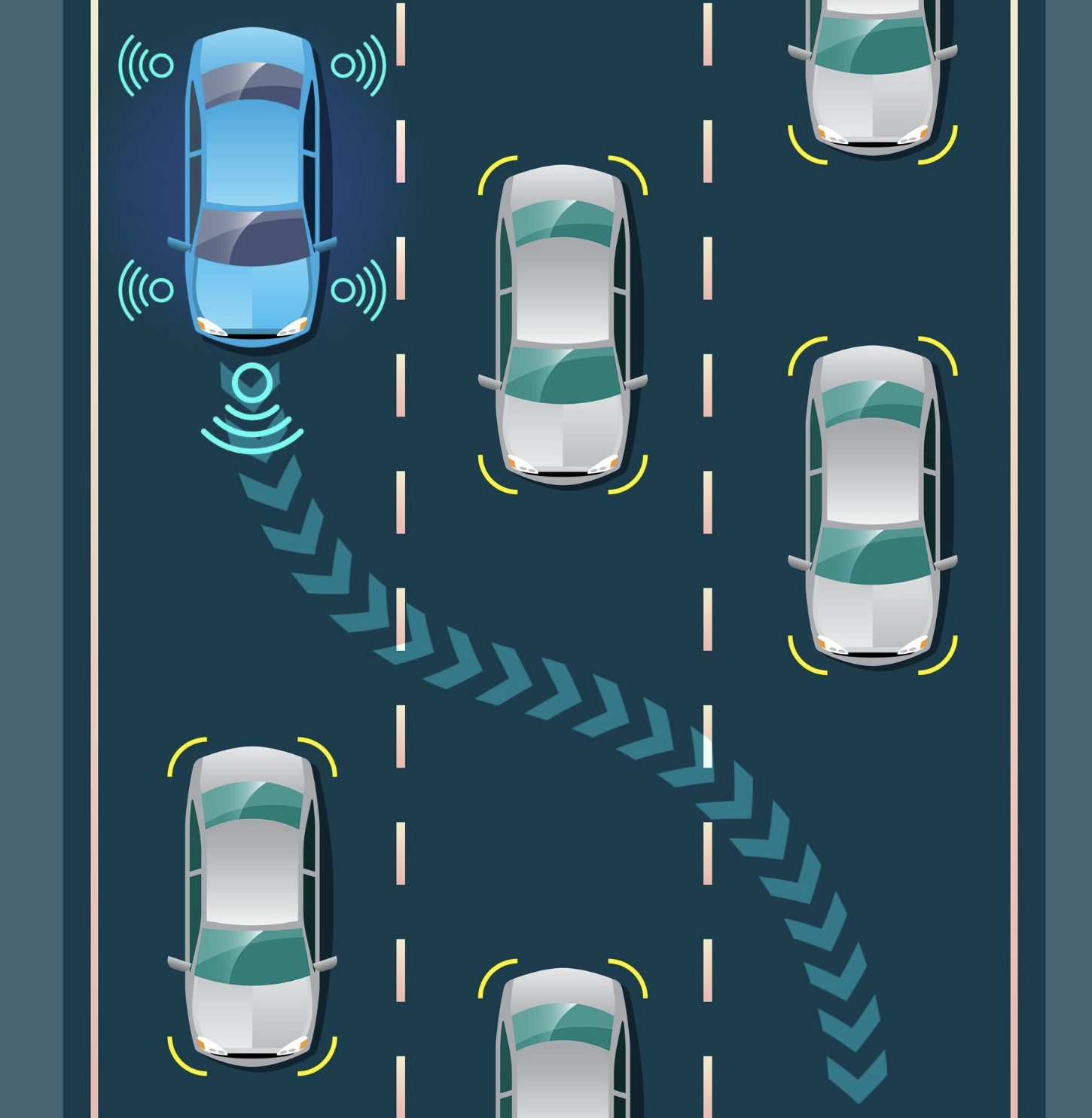
Waymo, the fully autonomous vehicle operated by Alphabet, has expanded to Washington, with vehicles spotted in the Seattle and Bellevue area. Alphabet’s Waymo has been providing public, driverless rides since 2020, with operations already running in Phoenix, Arizona and San Francisco, California. However, they’ve further expanded into metropolitan cities including Florida, Georgia and Texas. While rides are not yet available to the public in Washington, Waymo does have plans to open it up after concluding their testing phase. Waymo’s expanding presence begs numerous questions concerning public confidence, safety, and broader implications which include how autonomous transportation may impact human taxi and rideshare drivers due to reduced demand.
Waymo began at Google, a subsidiary of Alphabet Inc., in 2009, setting out on a challenge to drive autonomously over 100-mile routes, which it succeeded in. Later, Waymo became an independent subsidiary of Alphabet Inc., with the mission to make transportation safe and easy. By the late 2010s, Waymo extended invitations to their Early Rider Program to residents in Phoenix, Arizona to collect user input and launched the world’s first commercial autonomous ride-hailing service with Waymo One. Fast-forward to the 2020s, Waymo made extraordinary progress beginning with the expansion of Waymo One beyond the Phoenix metropolitan area. The company launched their rider-only service in San Francisco, California, and transitioned to an all-electric fleet. Waymo continues to collect user input to improve their services and expand their operations to more cities, which, of course, now includes the Seattle metropolitan area.
While much of the public continues to be hesitant about Waymo’s autonomous fleet and safety, Waymo is committed toward safety in every vehicle. Waymo Driver, the name of Waymo’s autonomous system, is built on over 170 million miles of on-road experience without human intervention. The sixth-generation Waymo Driver comes equipped with a 13-camera system, four lidar and six radar sensors, and even external audio receivers for better autonomous capability. It additionally utilizes a multi-modal sensing suite which includes a high-resolution camera system, advanced imaging radar, and lidar that can navigate even through a rare and complex situation. The Waymo Driver isn’t another driver assistance feature like blind-spot monitoring or adaptive cruise control, but includes real, safe autonomy. In fact, Waymo prides themselves on the safety of their autonomous fleet. Waymo says compared to an average human driver, over the same distance in their operating cities, the Waymo Driver had 92% fewer severe crashes, 83% fewer crashes involving airbag deployment, implying Waymo had less severe crashes, and 82% fewer damage-causing crashes. Waymo additionally reported 92% fewer pedestrian crashes, 85% fewer cyclist crashes, and 81% fewer motorcycle crashes, which demonstrates Waymo’s serious commitment to safety.
Waymo vehicles in Washington remain in the testing phase, which is essential to give time to collect the necessary data and ensure safety. Data collection in Washington is even more important due to our wet terrain compared to the drier roads in the Phoenix or San Francisco metropolitan area. Waymo’s ability to operate without human intervention may not be possible in Washington at the moment due to city policy. For autonomous vehicles, the Seattle Department of Transportation (SDOT) requires a human driver to be present at all times in order to take over, should there be an issue. The SDOT added that in places like Seattle, additional local city requirements exist, which means public Waymo use could be delayed here. For reference, California and Arizona have more lenient regulations which makes it easier for the company to scale.
Waymo’s uncertainty here may upset many tech savvy professionals, but equally come as a relief for Seattle’s taxi and rideshare drivers. Generally, Waymo’s presence continues to attract concern as drivers wonder if autonomous vehicles will replace them. According to Yahoo News, protests against Waymo erupted in Seattle in late October of 2025, where members of the Washington Drivers Union advocated against driverless cars as they may destroy local jobs. Peter Kuel, president of the Drivers Union, shared that the shift to driverless cars is one that he doesn’t believe he or his members will make it through. Quartz News reported that in cities where Waymo is operating, like Austin, Los Angeles, and San Francisco, drivers’ hourly base pay fell year over year. Quartz added that these drivers are earning a bit more per ride, though they’re completing fewer rides. In other words, drivers are pushed to work longer to make the same amount they previously earned. In San Francisco, Waymo is quickly gaining market share at the expense of Uber and Lyft. Earnest Analytics provided data in which Uber’s and Lyft’s market share fell 8% and 4%, respectively. With expansion planned in more cities, Waymo could see even bigger share gains, justifying many drivers’ concerns over job security. Ultimately, Waymo’s future in Seattle is uncertain and dependent on if the city can offer a fast and clear transition to autonomous operation while addressing drivers’ concerns on whether Waymo will take their jobs.







Leave a Reply