
Image Credit: Unsplash
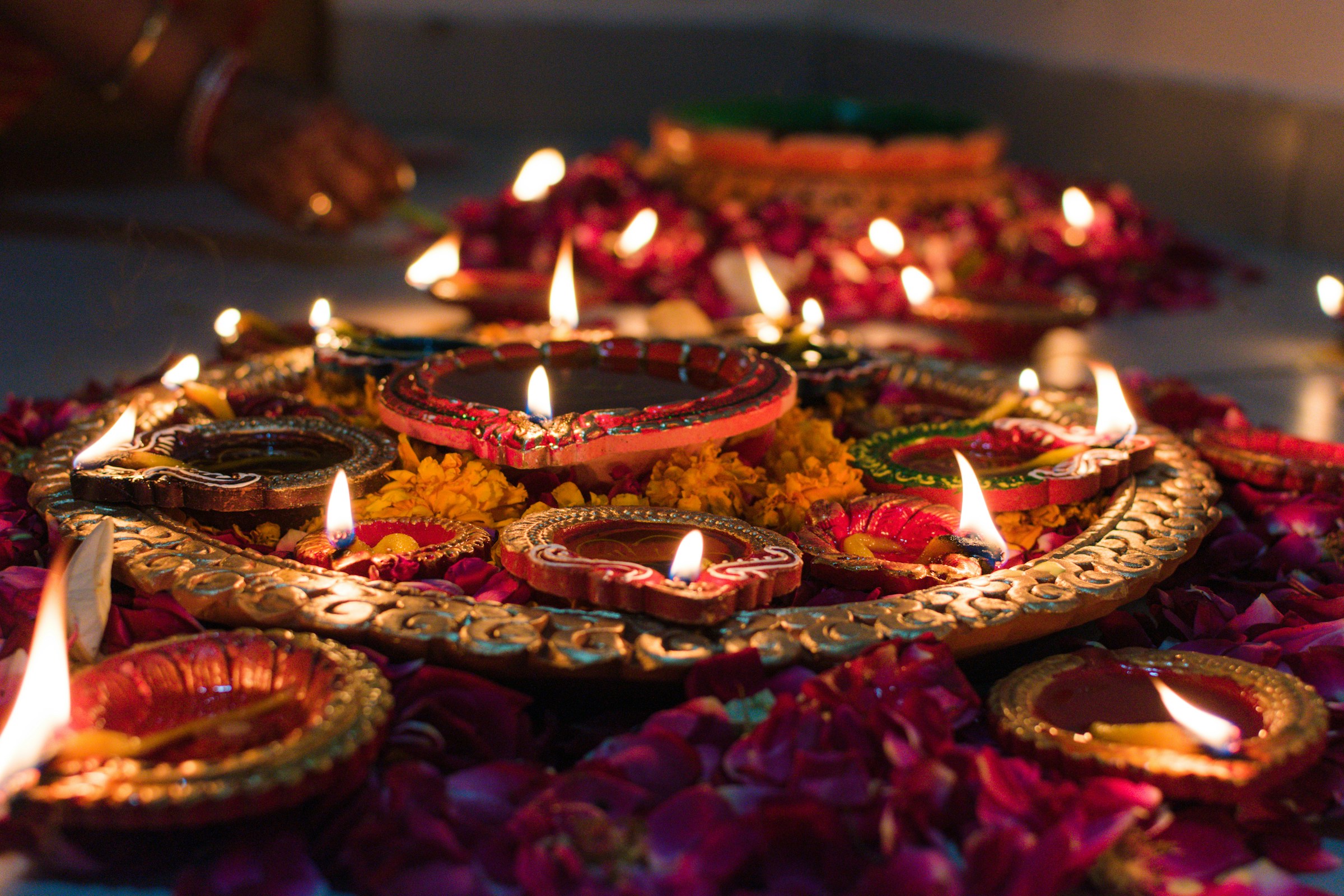
Diwali is India’s loudest and brightest festival, yet as I remain far from home, it is the loneliest and quietest night of the year. Then a video call from the family lights up the phone screen and the glow of the diyas feels warm again. Diwali, the Festival of Lights, is observed throughout the Indian subcontinent, with each region practicing distinct customs and legends. In India, festivals mean family, food, laughter and rich traditions. Loudspeakers blare devotional music and the latest Bollywood hits, while the crowd bustles through the streets shopping amid the constant honking of traffic. On Diwali nights, when firecrackers add to the chaos, there is a familiar bliss.
For many Indian students on campus, Diwali brings mixed feelings. There is the joy of marking the festival, but also a strong sense of homesickness and missed traditions. The new way of celebrating is to cook dishes from online videos, light candles and engage with new friends and peers to keep culture alive while creating new rituals.
The reason behind the lights and festivities changes from one region to the next. In Northern India, people celebrate the return of Lord Rama, Sita and Lakshmana to Ayodhya. They light clay diyas, make rangolis in front of their houses and set off fireworks to guide them back home. Whereas in Eastern India, Diwali usually coincides with Kali puja when the fierce goddess annihilates the near-invincible demon Raktabij. The tradition is to light clay diyas and make food offerings known as tarpan to guide the souls of the ancestors. It is similar to Día de los Muertos, where families honor ancestors and loved ones on altars with their favorite dishes. Southern India observes Diwali as the defeat of the demon Narakasura. On Narak Chaturdashi, homes are cleaned and decorated with kolams while people take oil baths, wear new clothes and share sweets and food. Western India welcomes the festival as the New Year, offering prayers to goddess Laxmi for wealth, luck and prosperity. Rangolis and paper lanterns called akash kandils decorate and commemorate the occasion.. .
Food is a big part of Diwali, with traditions and recipes passed down through generations. Like the legends and rituals, the food also varies by region. In the north, tables are filled with gujiyas, kaju katli, gulab jamun, mathri, dahi bhalle and more. Rice flour and jaggery are the main ingredients for all the sweets in the southern part, such as payasam, unniyapam and ariselu. The east favors cottage cheese-based sweets such as chhena poda and sandesh, along with thekua and pithas. Western India is known for fafda with jalebi, karenji, ghevar and moong dal halwa. Central India has its own famous sweets, including mawa bati and shahi malpua.
Traditions and rituals often evolve to fit new surroundings for these same students far from home. Even with looming assignments, Diwali still arrives with uneven gujiyas, store-bought sweets and rooms decorated with twinkling lights. At the University of Washington and other campuses, international students gather in local spaces and transform them into festive hubs.
Student club organizations play a pivotal part in this community by building and sharing traditions. Desi Student Arts & Advocacy Association (DSA) at UW Bothell is dedicated to combining advocacy for social, economic and political issues affecting South Asian countries and the global diaspora with creative expression. “Desi” refers to people and cultures from India, Pakistan, Sri Lanka, Nepal, Bhutan, the Maldives, Afghanistan, Myanmar and Tibet. It also includes communities of South Asian descent in places such as Fiji, Guyana, Mauritius and Trinidad and Tobago. Students can join by attending campus club fairs or weekly meetings announced on their social media. Building on the mission to provide a space for students to express their creative interests, DSA along with Nitya Dance Club, is organizing Pataka as a night to celebrate Diwali with food, music and dancing on Friday, November 20.
Diwali marks a significant milestone for the Indian diaspora in Washington state. In February, the Washington State Senate voted to recognize Diwali and Bandi Chhor Divas as non-legal holidays, a campaign led by Senator Manka Dhingra and supported by Senator Vandana Slatter. Senator Dhingra said, “This bill is about acknowledging our state’s religious and cultural diversity and making sure our Indian American community feels seen, respected and celebrated.” Although the bill does not require government offices or schools to close, it is a significant step forward for the Pacific Northwest’s diverse landscape. Senator Slatter said, “The bill doesn’t just add a holiday to the calendar. It recognizes Indian Americans and their traditions as part of our shared civic life.”
Fall here at UWB brings together students from many backgrounds to share the festive spirit of Diwali, Día de los Muertos, Yi Peng, Thanksgiving and many other global celebrations. Cultural activities on campus give students a platform to share their experiences, invite others into their traditions, create new rituals and participate in local events.
There are several venues around the Puget Sound region that host very lively celebrations off campus, bringing people together to share their cultures. The Seattle Art Museum hosts a Diwali celebration for the community as well as the Seattle Center’s Diwali: Lights of India. These festivals feature traditional dance, music, art workshops and festival food. Seattle also hosts a Diwali mela for families to shop together and enjoy the festival with nostalgia. Bellevue Collection does Rangoli displays, Lantern Craft, Diwali AR, interactive screens and live performances as well. Bothell City Hall is also hosting Diwali celebrations along with other community celebrations.
As rangolis and kolams have become community art, Diwali has evolved for students who have left familiarity behind to explore. On a growing campus at the University of Washington Bothell, Diwali is a gathering that includes classmates, peers, neighbors and anyone willing to show up and learn about the stories behind the lights. It is no longer just about light overcoming darkness, but also about adapting to a new environment and creating communal harmony.








Leave a Reply