
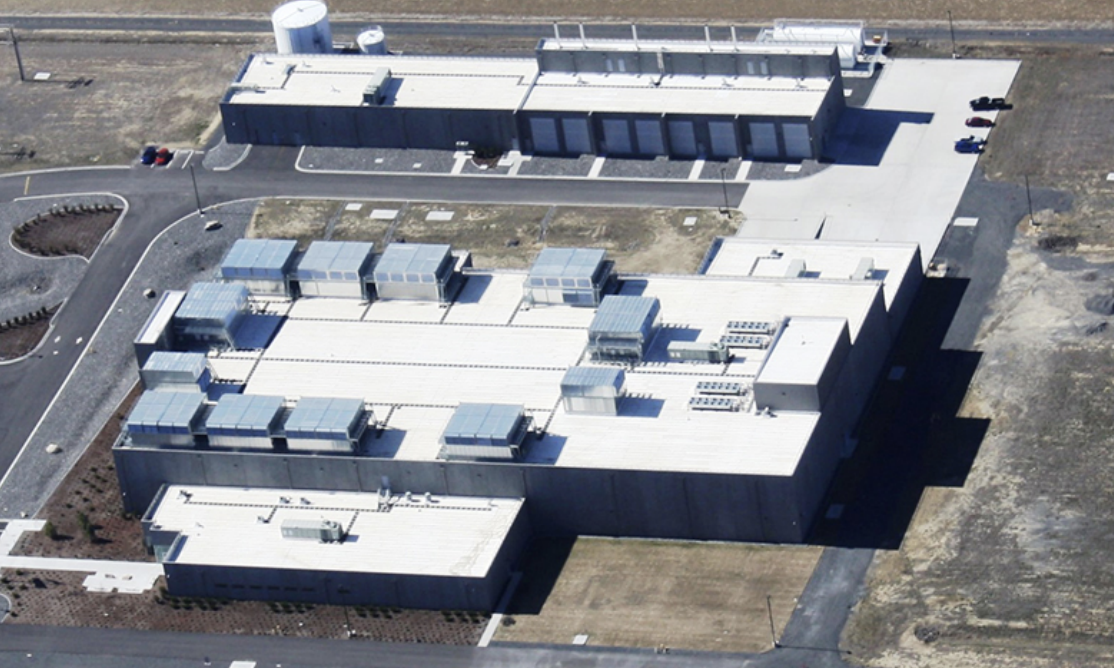
Image Credit: Washington State Department of Ecology
In June 2026, the Seattle City Council passed two bills placing a one-year emergency moratorium on large-scale data center development. This temporary halt aims to protect residents from high utility bills and help ease the strain on the area’s electrical grid. The legislation was driven largely by community concerns surrounding the environmental and economic impact of AI data centers. Since then, Seattle has become the largest city in the United States to stop any development of artificial intelligence infrastructure.
Council Bill 121214 halts the filing, processing or approval of requests for large-scale data centers. The accompanying regulation, Resolution 32204, establishes a formal framework to evaluate future data center proposals. Under these bills, Seattle has enacted a temporary freeze for data center construction that requires at least 20 megavolt-amperes of electricity consumption. This decision was largely based on the plans of four technology companies to establish five new data centers whose electricity consumption would account for up to one-third of Seattle’s current electrical capacity. Public pressure from groups like Amazon Employees for Climate Justice led to meetings with policymakers about their concerns. They ran a campaign that ended with nearly 100,000 emails sent to legislators, ultimately affecting the passing of these regulations.
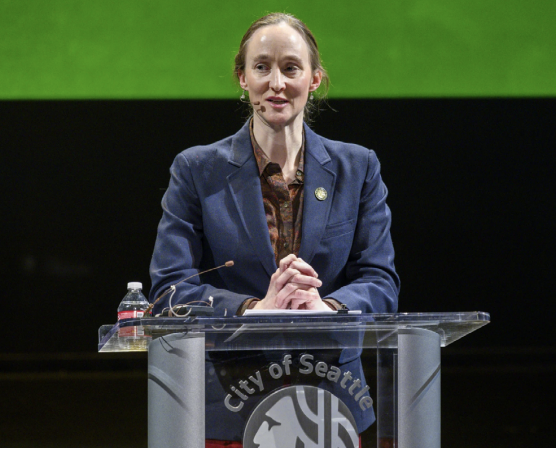
As The Guardian reported, the decision will provide a year to develop regulations that can control the operation of data centers without raising utility rates for residents. Council member Eddie Lin said that large AI data centers drive up energy costs and pollute the air. He also added, “We’ve heard from tens of thousands of residents – Seattleites should not be subsidizing record profits from large corporations from the AI boom.” Lawmakers included exemptions to this moratorium for some activities to continue regarding the data centers. For instance, essential civic infrastructure such as facilities serving the 911 emergency dispatch centers, transit systems and hospitals are exempted from halting. Additionally, existing data centers in Seattle may seek permission to increase power generation capacity by up to 20 megawatts.
Concerns over rising energy bills extend nationwide as the U.S. House of Representatives approved the Ratepayer Protection Act, an act aimed at protecting consumers nationwide from paying the electrical costs associated with the power demand from AI data centers resulted in a 417-3 vote. Sponsored by U.S. Representatives Gabe Evans, R-Colo. and Kathy Castor, D-Fla., the legislation introduces federal standards for state utility commissions. This requires technology companies and data center developers to cover the costs of regional electrical grid upgrades instead of passing those expenses onto residents.
NBC News reported that while the bill won near-unanimous backing among lawmakers who sought to ensure prompt consumer protections from costs, some progressive members opposed the law. They argued that the bill fails to establish federal limitations on industrial water usage, emissions from diesel generators and noise pollution. According to public polls conducted in congressional hearings, nearly 70 percent of respondents nationwide are against the development of large data centers in their local communities.
This conflict in Seattle is only one example of growing tensions that exist throughout Eastern and Central Washington due to cheap hydroelectric power and tax breaks. According to data center industry databases such as Baxtel and Data Center Map, the state has 130 data centers with 1,408 megawatts of power capacity, ranking it as the eighth state with the most AI data centers and falling behind Virginia (674), Texas (537) and California (296). Within the state, cities like Seattle, Quincy and Wenatchee host the most data centers with 40, 27 and 15 sites.
Rural communities are increasingly seeing new challenging developments. For instance, in October 2026, Walla Walla residents protested across 19 sites against the construction of a proposed $4.8 billion Amazon data center that would cover 550 acres. According to the Washington State Standard, community groups like the Walla Walla Anti-Data Center League spoke out about threats of groundwater pollution and massive water consumption. They even collected roughly 1,900 signatures to call for a full environmental impact statement and a statewide moratorium.
Tech facilities do bring in substantial municipal revenue, for example, the $5 million of property tax income grossed annually from the new Amazon Walla Walla project. However, they leave few employment opportunities beyond the construction phase. For local communities and university campuses, the surge in high-density computing creates an instant problem in some local areas. On the UW Bothell campus, where facilities rely on Puget Sound Energy and operate under the state’s Clean Buildings Performance Standards, the rise in power demand can complicate energy conservation.
As students prepare for careers in tech and sustainability sectors, they find themselves at the center of the AI debate. In many cases, they constantly feel the need to balance the efficiency of AI tools against growing internal and external concerns over environmental impact. As public hearings continue within the state, residents face a changing region where balancing clean energy goals, affordability and technological advancement remains an active challenge.









Leave a Reply